
Technology reference / Electronic logging devices
Custom electronic logging devices
A guide to understanding the technology and the work behind a custom ELD. General information, not professional advice.
A custom electronic logging device (ELD) combines vehicle-connected hardware and software to record the information required for a driver’s record of duty status. A custom implementation may use original engineering, existing components or a licensed platform.
The device is one part of the system. Driver interactions, record history, diagnostics, inspection output and reliable data transfer also need to work together. Start by understanding the software, hardware and applicable requirements.
This reference explains the main development decisions and points to official material. It does not sell devices, operate an ELD or determine whether a product complies.
Primary starting point: 49 CFR Part 395 ↗ and FMCSA provider resources ↗.
System components
An ELD implementation brings together several responsibilities. The arrangement varies by product; the required behavior applies to the complete configuration.
Requirements and testing
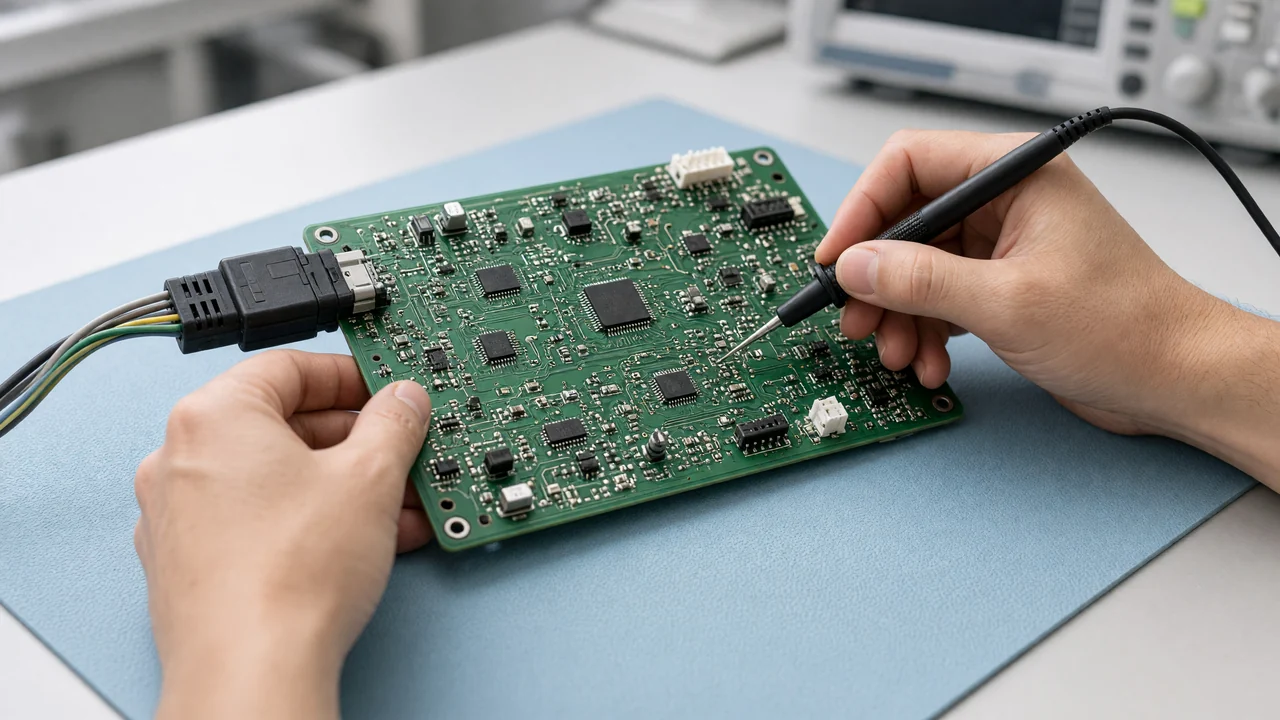
Evaluate the complete system
A GPS tracker or a vehicle-data SDK can be a useful building block. It does not, on its own, establish that the complete ELD meets the applicable requirements.
FMCSA registration is based on provider self-certification. It is not agency product approval or endorsement. FCC equipment authorization is a separate consideration; a certified radio module does not establish ELD compliance.
Development options
There is more than one route to a custom ELD. Compare the engineering work, licensing, integration access and responsibilities before choosing.
| Approach | What it involves | Further reading |
|---|---|---|
| Build a complete system | Develop the electronics and software, then maintain and validate the complete configuration. | Full development |
| Buy hardware, build software | Evaluate devices, protocols and SDK access from established component suppliers. | Hardware suppliers |
| License a hosted platform | Evaluate an existing hardware-and-software offering, its contracts and qualification evidence. | Hosted platforms |
Supplier descriptions are starting points for research, not independently tested recommendations. Promotional placements are labeled.
Common questions
Can I buy a device and write my own software?
That is one development route to investigate. Confirm hardware and SDK access, licensing and supported configurations. Your complete system still needs the required behavior, validation and provider self-certification. Compare development routes.
Does custom hardware always cost $40,000 to test?
No. There is no universal $40,000 fee or ceiling. The figure in our hardware guide is a hypothetical planning allowance. Obtain a quote for the actual design, radios, antennas, markets and retesting. Read the testing-cost guidance.
Does Custom ELD provide an ELD service?
No. This is an informational publication. It does not provide devices, driver accounts, hosted software, registration services or logbook support. Vendor links take you to their own websites.
Does this guide establish compliance for my product?
No. Read current official requirements, research your actual configuration and consult qualified specialists. This guide is not legal, engineering or compliance advice. Read the disclosures.
Official references
Use the original requirements and current agency resources when evaluating a system.
- 49 CFR Part 395 — Hours of Service of Drivers ↗
Includes the ELD requirements and technical specifications.
- FMCSA — ELD provider resources ↗
Testing, self-certification and registration resources.
- FMCSA — ELD Test Procedures ↗
Testing guidance to read alongside the current requirements.